
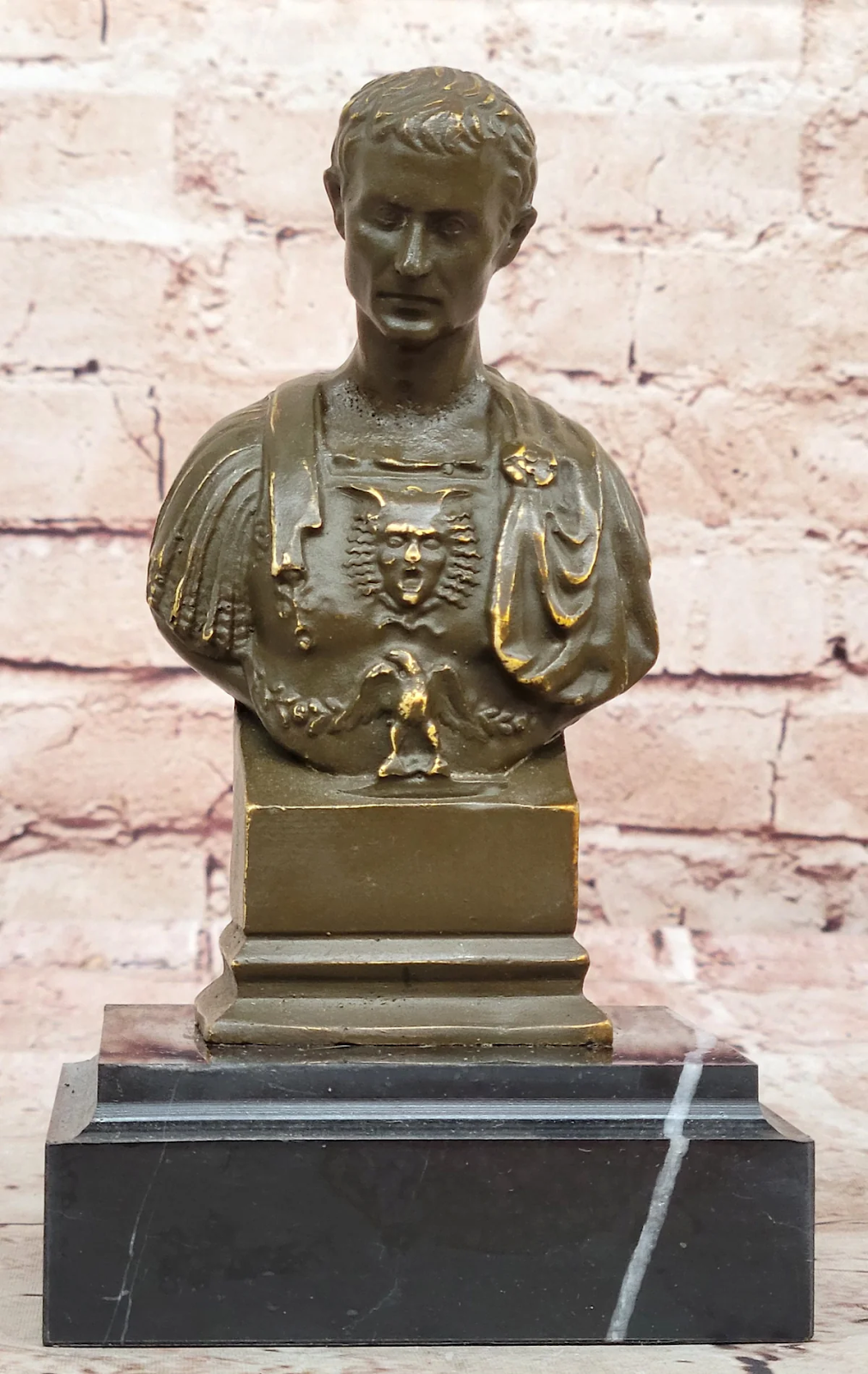
Bronze art has shaped culture for centuries. Ancient Rome used bronze busts to honor leaders and preserve their memory. These works showed status, power, and identity. Their form guided Renaissance artists. Their influence continues to shape today’s makers.
Modern studios now use new tools for fine detail. Many buyers want personal pieces. They choose family portraits. They choose historic icons. They want lasting art with emotion. This rise fuels demand for the bronze bust statue in homes and public spaces. It blends classic design with modern methods. It connects past eras with today’s creative needs.
Early Origins: Bronze Busts in Ancient Rome
Ancient Roman portraiture and classical bronze art set the foundation for centuries of sculptural tradition. Civic leaders, philosophers, and emperors posed for likenesses that captured both likeness and authority. Funerary art also played a key role in commemorating the dead through sculpted busts.
Key Features of These Works:
-
Intense realism: individual age and features clearly shown
-
Symbolism: power, virtue, status built into the form
-
Craftsmanship: skilled bronze casting and fine detailing
-
Public display: placed in forums, homes, tombs
-
Ancestor honouring: family lineage displayed through sculpture
In many cases, such traditions inform the way we commission a custom bronze bust statue today. The approach to life-like representation originated in Rome and continues to resonate. For further reading, see the essay “Roman Portrait Sculpture: The Stylistic Cycle” by the Metropolitan Museum of Art.
The Renaissance Revival of Bronze Portraiture
Renaissance artists revived classical methods. They studied old forms and ideals. Humanism shaped every new work. Donatello and Verrocchio led this shift. Their approach changed the bronze bust sculpture forever. Their focus moved to emotion, character, and truth.
Major Stylistic Changes:
-
Softer lines for natural expression
-
Deeper focus on human emotion
-
Refined surfaces with smooth contours
-
Richer detail shaped by the bronze casting process
These artists drew inspiration from Roman art. They borrowed structure and spirit. They added new views of the human form. Their work blended skill and feeling. Their influence still guides modern sculptors. Their ideas shaped portraits across Europe. Their methods pushed bronze art forward. Their legacy lives in every lifelike bust today.
Nineteenth Century to Early Modernism: Shifting Artistic Purposes
Industrial capabilities and expanding markets changed sculptural art. New factories allowed mass production of portrait busts. The era of commemorative art bloomed. Neoclassical design and public monuments dominated public spaces.
|
Era |
Purpose |
Material Trends |
Style |
Influences & Notable Examples |
|
Ancient |
Honor leaders & ancestors |
Bronze alloy, marble |
Realistic, formal |
Roman emperors, civic figures |
|
Renaissance |
Revival portraiture |
Bronze, wax models |
Humanistic, expressive |
Donatello, Verrocchio |
|
1800s |
Commemorative public art |
Bronze casting, larger scale |
Neoclassical, heroic |
Monument busts in parks & city plazas |
|
Modern |
Personal/custom commissions |
Mixed media, 3D cast |
Abstract, realistic hybrid |
Small studios, bespoke bronze bust statue |
The expanding public and private market for busts in the 1800s included significant outdoor works and smaller indoor commissions. Foundries scaled up, and the demand shifted from pure honorific copies to broader cultural and memorial contexts. The style leaned toward neoclassical ideals, “decorum,” and idealization that shaped 19th-century sculpture. (Source)
In this period, the bronze bust statue became a staple in cities, institutions, and homes. Sculptors and foundries adapted classical motifs to modern commemorative roles. New audiences, new budgets, and public inscriptions gave fresh life to a time-honored art form.
Contemporary Bronze Bust Sculptures: Techniques & Technology
Modern studios use refined methods. Present-day artisans blend old skills with new tools. Many artists still rely on the lost-wax method. They improve each step with better molds and heat control. Digital sculpting also supports precise shaping. 3D modeling helps plan form and scale. These tools strike a balance between realism and modern abstraction.
Modern Innovations:
-
Digital clay for fast concept builds
-
3D scans for accurate likeness
-
Hybrid casting for complex shapes
-
New patinas for bold finishes
Some makers choose lifelike contours. Others explore free forms inspired by abstract sculptures. Their choices shape each modern bronze bust sculpture. New media create sharper edges. New alloys add strength. These shifts expand artistic space. They also help meet personal requests. They keep bronze art fresh in today’s world.
Rise of the Custom Bronze Bust Statue in Modern Culture
Personalization drives modern art choices. Many buyers want pieces with meaning. Collectors seek unique portraits. Families commission memorial works. Public art groups request lasting tributes. Each project seamlessly blends traditional casting skills with modern digital tools. This mix builds accuracy and emotion. It also makes each bronze bust statue more personal.
Why Custom Busts are Popular Today:
-
Strong likeness created through digital scans
-
Emotional value linked to family history
-
Lasting material suited for memorial spaces
-
Wide styles shaped by client requests
-
Timeless appeal seen in bronze bust statues
These custom works honor loved ones. They link past stories with future memory. They help cities remember leaders. They give collectors rare art. This trend grows each year. It reflects a profound desire for personal significance. It also keeps bronze portrait art alive.
How to Identify Quality in a Bronze Bust Sculpture?

True craftsmanship shows in small details. A good patina, clean lines, and clear authenticity help determine value. These elements guide buyers of a custom bronze bust statue.
Quality Signs to Check:
-
Solid weight from real bronze
-
Sharp detailing in hair and features
-
Even patina with natural depth
-
Clean casting marks with no flaws
-
Artist's signature placed with care
For expert guidance on bronze care, see the National Park Service conservation guide. These points help buyers choose lasting art. They also protect long-term value.
Conclusion
Bronze art has changed through each era. Classical Rome shaped early forms. The Renaissance added emotion and detail. Modern tools brought new styles and better precision. These shifts led to the creation of the bronze bust sculpture we value today. Each period left marks that still guide present artists.
At European Bronze, each piece reflects skill and care. We offer many styles for every space. You will find classic forms and modern lines. Each bronze bust statue shows strong detail and lasting beauty. These works suit homes, offices, galleries, and memorial spaces. They bring depth and character to any room.