
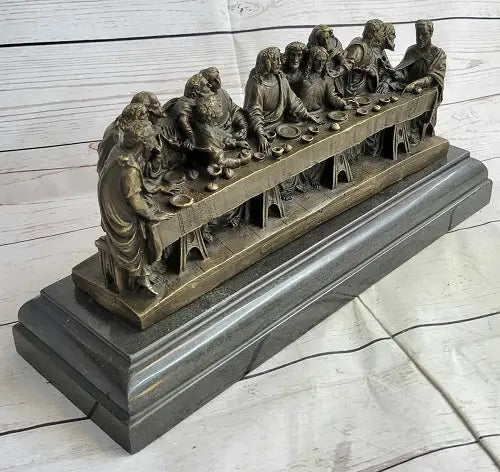
Have you ever been captivated by the majesty of a bronze sculpture? These timeless works of art, forged from a resilient alloy, hold more than just aesthetic beauty. Each figure, form, and intricate detail whispers stories of the past. Delve deeper with us as we explore the fascinating world of bronze sculpture symbolism, journeying through the realms of religion, mythology, and culture.
From the powerful deities of ancient Egypt to the mythical heroes of Norse sagas, bronze sculptures offer a glimpse into the beliefs, values, and narratives that shaped civilizations. Get ready to embark on a captivating exploration of history frozen in time!
Lifting the Veil: Religious Allegories in Bronze
Bronze, an alloy of copper and tin, has been a beloved medium for sculptors for millennia. Beyond its remarkable durability, bronze sculptures hold a depth of symbolism, reflecting the beliefs, values, and narratives of the cultures that created them.
Ancient Egypt: Egyptians used bronze extensively, depicting gods and goddesses like Osiris and Isis in powerful poses. These sculptures served as intermediaries between the earthly and divine realms.
Greco-Roman World: Greek and Roman bronze works often portrayed deities like Zeus or Venus in idealized forms, celebrating beauty, strength, and the human form.
Hindu and Buddhist Traditions: Bronze sculptures played a prominent role in Hinduism and Buddhism. Figures like Shiva, the Nataraja (Dancing Shiva), and Buddha statues embodied spiritual concepts and served as objects of devotion.
Echoes of Myths: Bronze and Mythology
Step into a world where gods and heroes come alive in bronze! This section delves into the fascinating connection between bronze sculptures and mythology. We'll explore how these enduring works of art captured mythical figures, from the mighty Norse gods to the legendary heroes of Mesopotamia.
Mesopotamian Myths: Bronze figures depicting heroes like Gilgamesh or mythical creatures like griffins served as powerful symbols of strength, protection, and the battles between gods and mortals.
Norse Mythology: Bronze was used to create figures from Norse mythology, like mighty Thor wielding his hammer or the trickster god Loki. These sculptures embodied the values and fears of Norse society.
African Traditions: In various African cultures, bronze sculptures served diverse purposes. Some depicted ancestors, while others functioned as symbols of power, wealth, and fertility.
A Cultural Tapestry: Bronze Across Civilizations
Imagine bronze sculptures weaving a magnificent tapestry across continents and time. This section explores how this versatile material transcended cultures. We'll travel from the rise of empires where bronze celebrated power, to the artistic mastery of the Renaissance. Discover how bronze sculptures reflected the values and aspirations of diverse civilizations, forming an enduring testament to human creativity and expression.
The Rise of Empires: Bronze sculptures during the Roman Empire often celebrated military victories and emperors, reflecting the power and dominance of the empire.
The Renaissance: During the Renaissance, bronze sculptures witnessed a revival of classical ideals. Artists like Donatello and Michelangelo created works that embodied human potential and artistic mastery.
Modern Symbolism: Even today, bronze sculptures continue to be used by artists to explore social, political, and cultural themes. Their enduring appeal lies in their ability to convey powerful messages through their permanence and beauty.

Bronze sculptures transcend mere artistic creations. They are windows into the past, offering a glimpse into the religious beliefs, mythological narratives, and cultural values of the societies that crafted them.
By understanding the symbolism embedded within these enduring works of art, we gain a deeper appreciation for the history and stories they represent. So, the next time you encounter a bronze sculpture, take a moment to ponder its deeper meaning. It may whisper tales of gods and heroes, or echo the values of a bygone era.
Conclusion
As we conclude our exploration of bronze sculpture symbolism, it's clear that these captivating works of art are more than just beautiful objects. They are testaments to the enduring human desire to express our beliefs, values, and stories in a tangible form.
By understanding the symbolism embedded within these sculptures, we gain a deeper appreciation for the rich tapestry of human history and the timeless power of art to transcend cultures and eras.
So, the next time you encounter a bronze sculpture, take a moment to pause and ponder its deeper meaning. It may whisper tales of forgotten gods, legendary heroes, or the cultural aspirations of a bygone civilization. If you want to explore an exclusive collection of bronze art, then you must explore the European Bronze collection.
FAQs
1. What does bronze sculpture symbolism represent?
Bronze sculpture symbolism represents deeper meanings such as strength, beauty, freedom, or emotion, depending on the subject and artistic form.
2. Why is bronze commonly used in symbolic sculptures?
Bronze is durable and allows fine detailing, making it ideal for creating expressive sculptures that carry symbolic meaning over time.
3. What does a bronze horse symbolize?
A bronze horse often represents power, freedom, and movement, making it one of the most popular symbolic sculptures.
4. Are bronze sculptures good for home décor?
Yes, bronze sculptures add both visual appeal and deeper meaning, making them suitable for modern and traditional interiors.
5. How do I choose a symbolic bronze sculpture?
Choose based on the meaning you connect with—whether it’s strength, elegance, or emotion, and how it fits your space.