
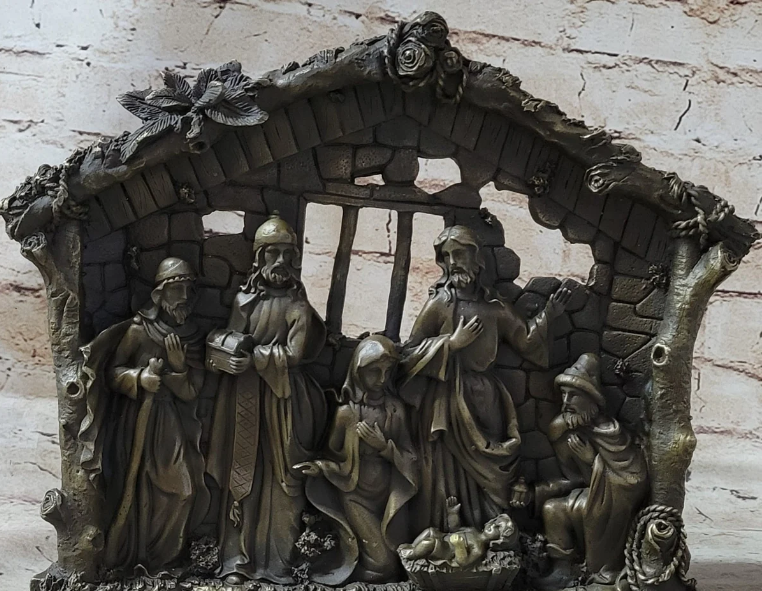
In any culture, religious sculpture holds immense significance, representing unique beliefs and feelings. Statues have long been a way to express different ideas and unique visions. Religious statues are especially famous for preserving divine traditions, symbolizing spiritual beliefs, and artistic expression. These statues are often created meticulously to capture every fine detail of spirituality and bring the divine form to life.
Divine statues can be displayed anywhere, from living rooms to halls and doorways, giving your space a unique appeal and deep meaning.
In this blog, we will explore the importance of religious statues and how to incorporate them into home decor.
Historical Evolution
Bronze religious statues have long been used to bring divine forms to life. These statues have played an integral role in various cultures worldwide. In ancient civilizations like Mesopotamia, Greece, and Egypt, bronze statues were created to express the divine qualities worshipped by the faithful. Each bronze is meticulously crafted, allowing the worshipper to foster a deeper connection with the divine. The posture and expression of these statues convey specific spiritual messages that help the viewer build a deeper connection with the divine.
Modern religious sculptures are significant in religious contexts, acting as tangible representations of the divine. These sculptures not only symbolize the presence of the sacred but also provide devotees with a physical form through which they can express their devotion and seek spiritual connection.
Mythology: Ancient Tales in the Form of Realism

Mythology, filled with stories of gods, heroes, and mythical creatures, is vividly expressed through bronze sculptures that preserve these narratives. Ancient civilizations like the Greeks and Romans crafted bronze works to depict mythological figures, bringing epic tales to life. The famous religious statue of Zeus at Olympia and the iconic Artemision Bronze, believed to represent Poseidon, showcase these civilizations' abilities to capture the essence of their mythological pantheon. Each sculpture embodies the symbolic significance of the deity or hero it represents, allowing viewers to connect with heroic feats, moral lessons, and the eternal struggle between good and evil that these myths convey.
Artistic Process
Creating bronze sculptures involves several meticulous steps, each reflecting the artisan's skill and dedication. Initially, a model is crafted, often from clay or wax, which captures the desired form and details. This model is then encased in a mold, and molten bronze is poured into the cavity. The cooling and finishing processes require precision as artisans refine the surface to achieve the desired texture and patina.
The significance of this process extends beyond simple craftsmanship. It represents a dialogue between the artist and the spiritual realm. Each sculpture is not just an object but a vessel of energy and intention. The care and reverence that go into its creation help preserve these sculptures' spiritual narratives.
Education & Awareness

Preserving spiritual traditions through bronze sculptures also entails education and awareness. Museums, galleries, and cultural organizations play a vital role in showcasing these artworks, providing context and understanding of their significance. Educational programs that delve into the history of religious art, the techniques of bronze casting, and the cultural narratives behind these sculptures foster appreciation and respect for the traditions they represent.
Workshops and demonstrations by skilled artisans can further engage communities, allowing individuals to experience the artistic process firsthand. This hands-on approach demystifies the creation of bronze sculptures and highlights the importance of preserving these age-old traditions.
Contemporary Relevance
In today's fast-paced world, the relevance of modern religious bronze sculptures has not diminished. Rather, it has evolved. Many contemporary artists are reinterpreting traditional themes and forms, creating pieces that resonate with modern audiences while still honoring their spiritual roots. This fusion of old and new helps to keep traditions alive, making them accessible to younger generations.
Moreover, religious bronze sculptures have found a place in public art, inviting broader engagement with spiritual themes. Installations in parks, universities, and community centers encourage conversations about faith, culture, and identity. They serve as reminders of the importance of spirituality in a diverse and interconnected world.
Conclusion
Religious bronze sculptures are more than artistic expressions. They are vital links to our spiritual past and present. By preserving and promoting these works, we honor the traditions they represent and enrich our understanding of diverse cultures and belief systems. These sculptures testify to the enduring power of faith, creativity, and community in an ever-changing world. As we engage with these timeless artworks, let us recognize their significance and commit to preserving the spiritual narratives they embody, ensuring that future generations can continue to draw inspiration and meaning from them. Through education, appreciation, and active preservation efforts, we can protect the legacy of religious bronze sculptures and the rich traditions they represent. If you want religious statues for your home, explore our collection at European Bronze
FAQs
1. Why are religious bronze sculptures popular in home décor?
Religious bronze sculptures combine spiritual symbolism with artistic craftsmanship, making them meaningful decorative pieces for homes, meditation spaces, and personal collections.
2. What makes bronze religious statues durable?
Bronze is a strong and long-lasting material that resists damage and preserves fine detailing, making it ideal for religious sculptures and collectible artwork.
3. How are religious bronze sculptures made?
Many religious bronze sculptures are created using the Lost Wax Casting method, a traditional casting technique known for capturing intricate artistic details.
4. Can bronze religious statues be displayed in modern interiors?
Yes, bronze religious statues work well in modern interiors because their timeless appearance complements minimalist, traditional, and artistic décor styles.
5. Do bronze religious statues require maintenance?
Bronze religious statues require minimal maintenance. Regular dusting with a soft cloth is generally enough to maintain their appearance and finish.
6. Are religious bronze sculptures considered collectible artwork?
Yes, handcrafted religious bronze sculptures are often valued as collectible artworks due to their craftsmanship, symbolism, historical inspiration, and decorative appeal.